
Silent Symptoms of Thyroid Issues You Should Never Ignore
Did you know that 1 in 10 Indians suffer from thyroid disorders — and most don’t even realize it?
Thyroid issues often develop quietly, with symptoms that are easy to dismiss as “just stress,” “age,” or “being tired.” Because these signs progress slowly and overlap with everyday fatigue, mood changes, or weight fluctuations, many people live with thyroid imbalance for months — sometimes years — without knowing the real cause.
This delay in diagnosis can affect your energy, mood, metabolism, heart health, fertility, and overall wellbeing, making early detection absolutely crucial.
As an experienced Physician and Thyroid Care Specialist in Bangalore, Dr. Siri Kamath regularly sees patients who spent months ignoring subtle symptoms that later turned out to be thyroid disorders. With the right evaluation and timely treatment, most thyroid issues can be managed easily — before they lead to long-term complications.
What the Thyroid Actually Does
The thyroid is a small, butterfly-shaped gland in your neck — but it controls some of the biggest functions in your body. It regulates your metabolism, energy levels, mood, heart function, digestion, and hormonal balance. When thyroid hormones (T3 and T4) rise or fall, every system in your body feels the impact.
A simple way to understand it:
Your thyroid works like the master regulator of your body’s energy supply — speeding it up or slowing it down.
When it functions normally, you feel energetic, balanced, and healthy.
When it doesn’t, even simple daily activities can start feeling difficult.
Why Thyroid Symptoms Stay “Silent” in the Early Stages
Thyroid problems don’t appear overnight — they develop slowly, which is why early thyroid symptoms are easy to overlook. The gradual shift in thyroid hormone levels often blends into your daily routine, making it difficult to spot when something is wrong.
- Slow and Gradual Hormone Decline
Thyroid hormones (T3 and T4) decrease or increase little by little. This slow progression means your body adjusts over time, so symptoms like thyroid-related fatigue, weight changes, or low energy feel “normal” rather than alarming.
- Overlap With Everyday Fatigue and Stress
Signs like tiredness, irritability, or sleep issues are also common with work stress, poor diet, or long days. Many people assume they’re just overworked — not realizing these could be silent thyroid signs that appear in the early stages.
- Gender Differences Make It Harder to Detect
Women experience thyroid disorders more often, and symptoms overlap with PCOS, PMS, pregnancy changes, or menopause — making early thyroid detection even more challenging.
- Modern Lifestyle Triggers
Lack of sleep, high stress, processed foods, hormonal fluctuations, and sedentary habits increase the risk of thyroid imbalance. These symptoms are often blamed on lifestyle, causing people to miss subtle thyroid symptoms for months.
Silent Symptoms of Hypothyroidism You Should Never Ignore
Hypothyroidism develops slowly, and its early signs often hide behind everyday tiredness or lifestyle stress. Recognizing these silent thyroid symptoms early can prevent long-term complications.
Energy & Mood Symptoms
- Unexplained Fatigue
Persistent tiredness, even after good sleep, is a classic early hypothyroidism symptom.
Why it happens: Low T3/T4 levels slow down your body’s energy production.
- Low Mood or Irritability
Mood dips, anxiety, or irritability occur because thyroid hormones influence brain neurotransmitters.
- Brain Fog
Difficulty concentrating or remembering things is a common but overlooked silent thyroid sign.
- Slow Thinking
A sluggish thought process occurs as brain metabolism slows down in hypothyroidism.
Physical & Appearance Changes
- Unexplained Weight Gain
Your metabolism slows down, causing weight gain even without major diet changes.
- Dry, Rough Skin
Low thyroid hormones reduce skin cell turnover, making skin dull and flaky.
- Hair Thinning or Hair Fall
Thyroid imbalance disrupts hair growth cycles, leading to shedding.
- Puffy Face or Swollen Hands
Fluid retention (myxedema) is a typical hypothyroidism physical symptom.
Metabolic & Internal Symptoms
- Slowed Heart Rate
Hypothyroidism affects heart muscle activity, reducing your heart rate.
- Sensitivity to Cold
When your metabolism slows, the body produces less heat, leading to cold intolerance.
- Constipation
A slower metabolic rate reduces digestive movement.
- High Cholesterol
Low thyroid function decreases cholesterol breakdown → raising LDL levels.
Silent Symptoms of Hyperthyroidism You Should Never Ignore
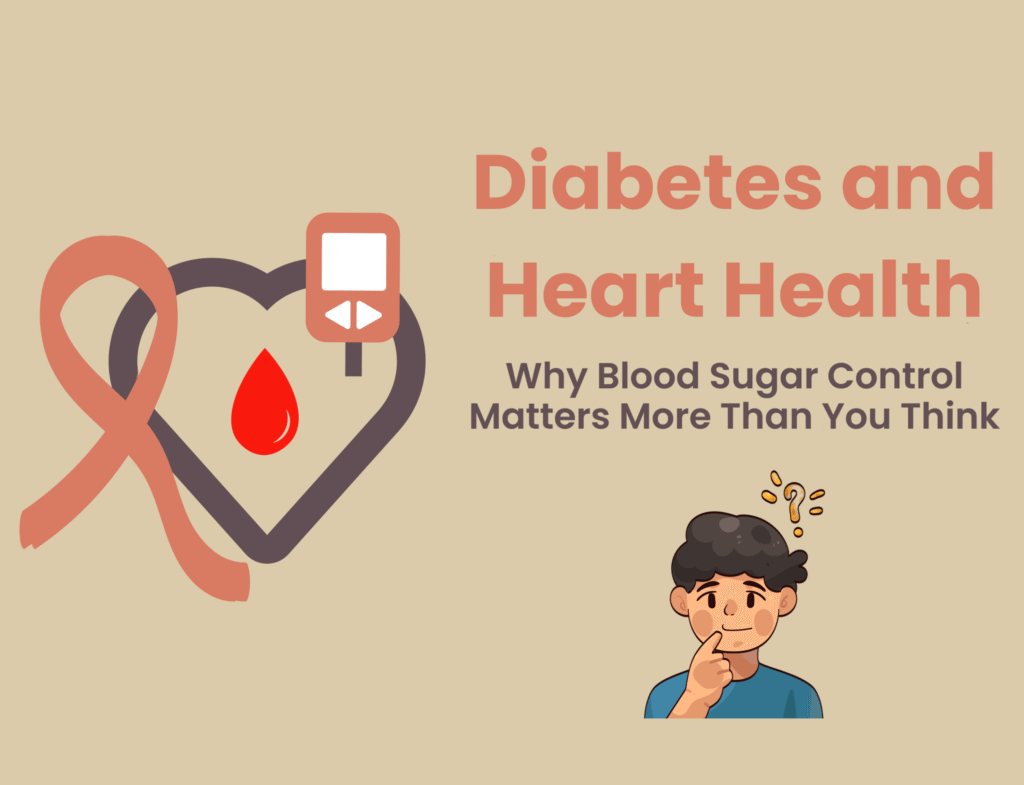
Managing diabetes isn’t only about keeping your blood sugar in range — it’s about protecting your heart, too. With the right lifestyle and regular medical care, you can lower your risk of heart complications dramatically.
- Regular Blood Sugar Monitoring
Track your glucose levels consistently — including Fasting Blood Sugar (FBS), Post-Prandial (PPBS), and HbA1c every 3–6 months. Stable sugar levels prevent blood vessel damage and heart strain.
- Balanced Diet Plan
Adopt a fiber-rich, low-sugar Indian diet — whole grains, fresh vegetables, lentils, and heart-healthy fats like nuts and olive oil. Avoid refined carbs, sugary drinks, and fried snacks. A clinical diet plan tailored by your diabetologist can help sustain both heart and sugar health.
- Regular Exercise
Just 30 minutes of brisk walking or yoga daily can improve insulin sensitivity and strengthen your heart. Small lifestyle habits — like taking the stairs or evening walks — go a long way.
- Control Blood Pressure & Cholesterol
Uncontrolled BP and high cholesterol accelerate artery damage. Regular monitoring and prescribed medication, combined with a low-salt diet, help prevent heart attacks and strokes.
- Avoid Smoking & Limit Alcohol
Smoking narrows arteries and increases clot risk, while alcohol affects sugar metabolism. Quitting these habits significantly reduces your cardiac burden.
- Regular Check-ups with a Diabetologist
Routine consultations allow early detection of silent heart changes and adjustment of medication or treatment plans.
Symptoms Specific to Women
Thyroid disorders are up to 8 times more common in women, yet many symptoms overlap with PCOS, PMS, stress, or post-pregnancy changes — which is why early thyroid problems often go unnoticed. Recognizing these early signs is crucial for reproductive, hormonal, and long-term health.
- Irregular Periods
Both hypothyroidism and hyperthyroidism can disrupt menstrual cycles, causing irregular, missed, or unpredictable periods. Hormonal imbalance affects the ovaries and menstrual rhythm.
- Fertility Issues
Low or high thyroid hormone levels can interfere with ovulation, making it harder to conceive. Many women discover thyroid issues only after fertility struggles.
- Heavy or Painful Periods
An underactive thyroid (hypothyroidism) often causes heavy bleeding, severe cramps, or prolonged cycles due to hormonal disruption.
- Postpartum Thyroiditis
Some women experience thyroid imbalance after childbirth, leading to fatigue, mood swings, hair loss, or weight fluctuations mistaken for normal postpartum changes.
Doctor Insight — Dr. Siri Kamath
“Women often dismiss thyroid symptoms as hormonal or lifestyle-related. A simple thyroid test can quickly reveal the real cause — and prevent long-term issues.”
Red Flags You Must Act On Immediately
Thyroid symptoms can stay subtle for months, but certain warning signs should never be ignored. If you notice these, your thyroid may already be affecting your metabolism, mood, or heart.
Thyroid Red Flag Checklist
If you experience 2 or more of these symptoms, get a thyroid evaluation done immediately:
- Sudden weight gain or weight loss
- Extreme fatigue that doesn’t improve with rest
- Rapid heartbeat or palpitations
- Neck swelling (possible thyroid enlargement)
- Persistent mood changes — anxiety, irritability, low mood
- Hair loss or unusual hair thinning
- Unexplained constipation or diarrhoea
What Causes Thyroid Problems?
Thyroid disorders can develop for several reasons. Understanding the root cause helps in choosing the right treatment and preventing recurrence.
- Autoimmune Conditions
- Hashimoto’s Thyroiditis → causes hypothyroidism
- Graves’ Disease → causes hyperthyroidism
These occur when the immune system mistakenly attacks the thyroid.
- Stress & Modern Lifestyle Factors
Chronic stress, poor sleep, and unhealthy diet influence hormonal balance and can trigger thyroid dysfunction.
- Iodine Imbalance
Too little or too much iodine affects thyroid hormone production.
- Pregnancy & Postpartum Changes
Hormonal shifts during and after pregnancy can lead to postpartum thyroiditis or long-term thyroid issues in women.
- Genetic Factors
A family history of thyroid issues increases the risk significantly.
How Thyroid Problems Are Diagnosed
Most people know about thyroid tests — but few understand WHY each one is done. Clear diagnosis ensures the right treatment and prevents long-term complications.
- TSH (Thyroid-Stimulating Hormone) — First-line test
TSH is the most sensitive test.
- High TSH → likely hypothyroidism
- Low TSH → likely hyperthyroidism
- Free T3 & Free T4 — Confirm the imbalance
These show the actual thyroid hormone levels in your bloodstream and help measure severity.
- Thyroid Antibody Tests
Used to detect autoimmune thyroid diseases like Hashimoto’s or Graves’ disease.
Essential for long-term treatment planning.
- Thyroid Ultrasound
Checks for:
-
- Thyroid enlargement
- Nodules
- Inflammation
Useful when neck swelling or uneven gland texture is suspected.
- Lipid Profile
Thyroid issues can raise cholesterol and triglycerides, increasing heart risk.
- Iron & Vitamin D Levels
Most thyroid patients have low iron or Vitamin D, affecting fatigue, mood, and metabolism.
Treatment Options for Thyroid Disorders
Thyroid disorders are highly manageable when treatment is tailored to the underlying cause.
- Medication
- Hypothyroidism → Levothyroxine
- Hyperthyroidism → Anti-thyroid drugs / Beta-blockers
- Lifestyle Changes
Healthy sleep, stress management, and diet support hormone regulation.
- Diet Optimization
Balanced iodine intake, anti-inflammatory foods, fibre, hydration.
- Stress Regulation
Yoga, meditation, and relaxation techniques help stabilize hormones.
- Follow-up Every 3–6 Months
Thyroid levels change over time; regular monitoring ensures accurate dosage.
How to Manage Thyroid Symptoms at Home
Thyroid care isn’t only about medication — your daily habits play a crucial role in balancing hormones, improving mood, and supporting metabolism. Here are simple, practical steps approved by physicians.
- Maintain a Balanced Sleep Schedule
Consistent 7–8 hours of sleep stabilizes hormones and reduces thyroid-related fatigue.
- Yoga & Meditation
Practices like deep breathing, Surya Namaskar, and guided meditation lower stress hormones (cortisol) that worsen thyroid imbalance.
- Iron + Iodine Awareness
Include iron-rich foods (ragi, spinach, beetroot) and maintain healthy iodine intake through iodized salt — but avoid excess.
- Morning Sunlight Exposure
Daily sunlight boosts Vitamin D, supports metabolism, improves mood, and reduces hypothyroid-related fatigue.
- Avoid Excessive Soy
Too much soy can interfere with thyroid hormone absorption — especially in hypothyroidism.
- Limit Processed Foods
Reducing packaged snacks, refined sugars, and deep-fried foods lowers inflammation and supports hormonal stability.
Conclusion - Don’t Ignore the Silent Signs
Thyroid disorders are common, treatable, and manageable — but only when identified early. Your body gives you signals long before complications appear. Fatigue isn’t “normal.” Weight changes aren’t “just stress.” Mood shifts and heart symptoms aren’t “in your head.”
Early diagnosis prevents long-term issues with your heart, metabolism, fertility, and overall well-being.
👉 If you’re experiencing unexplained fatigue, weight changes, mood shifts, or heart symptoms, consult Dr. Siri Kamath in Bangalore for an expert thyroid assessment today.
Your health is speaking to you — don’t ignore the silent signs.
