
How Regular Health Check-Ups Help Prevent Heart Disease
Heart disease remains one of the leading causes of illness and death worldwide, affecting people across all age groups. While factors such as genetics, age, and family history contribute to cardiovascular disease, many cases can be prevented through early detection and timely medical intervention. Unfortunately, many individuals only seek medical attention after experiencing symptoms such as chest pain, shortness of breath, or a heart attack, when the disease may already be advanced.
One of the most effective ways to protect your heart is through regular health check-ups. Routine medical examinations help identify risk factors like high blood pressure, diabetes, high cholesterol, obesity, and irregular heart rhythms before they lead to serious complications. Early diagnosis allows doctors to recommend lifestyle changes, medications, or further investigations that can significantly reduce the risk of heart disease.
If you have been wondering whether regular health check-ups are really necessary, this guide explains how preventive screening plays a vital role in maintaining heart health and reducing the risk of cardiovascular disease.
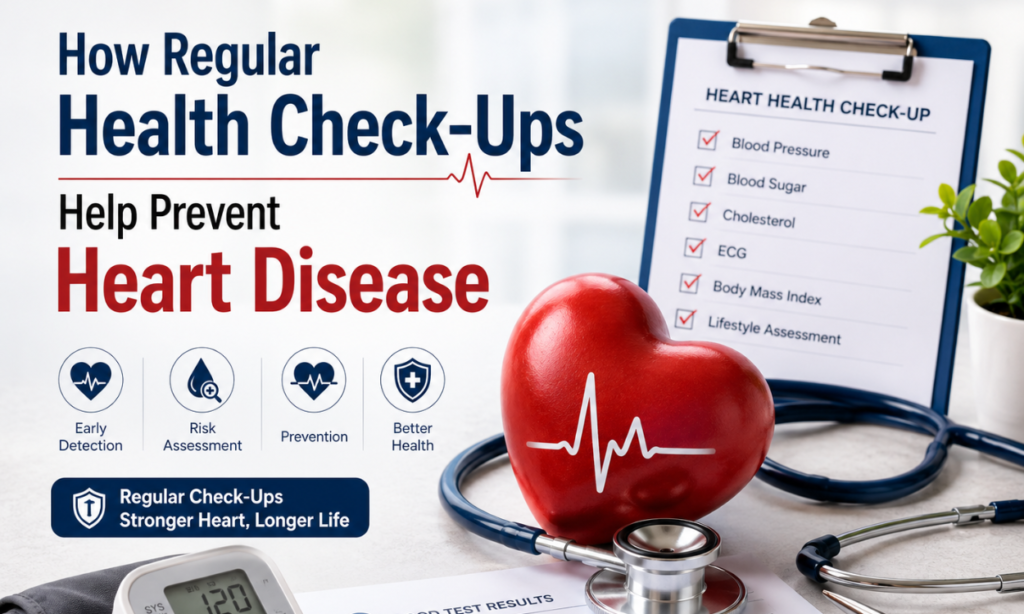
Why Is Heart Disease Becoming More Common?
Heart disease is no longer considered a condition that affects only older adults. Today, an increasing number of young and middle-aged individuals are being diagnosed with hypertension, high cholesterol, coronary artery disease, and even heart attacks.
Several lifestyle changes have contributed to this growing trend.
Sedentary Lifestyle
Modern work environments often involve sitting for long hours with very little physical activity. Lack of exercise reduces cardiovascular fitness, contributes to weight gain, and increases the risk of diabetes and high blood pressure.
Unhealthy Eating Habits
Frequent consumption of processed foods, sugary beverages, fried foods, and excess salt contributes to obesity, elevated cholesterol, and hypertension, all of which are major risk factors for heart disease.
Chronic Stress
Long-term stress causes the body to release stress hormones such as cortisol and adrenaline. These hormones increase blood pressure, raise heart rate, and contribute to inflammation, placing additional strain on the cardiovascular system.
Poor Sleep Quality
Sleep is essential for maintaining cardiovascular health. Inadequate or poor-quality sleep can increase blood pressure, disrupt hormone balance, and negatively affect metabolism, increasing the likelihood of heart disease.
Smoking and Alcohol Consumption
Smoking damages blood vessels and accelerates plaque formation inside arteries, while excessive alcohol intake may increase blood pressure and weaken the heart muscle over time.
Although these risk factors are common, many people remain unaware that they are gradually affecting their heart health. This is where regular health check-ups become invaluable.
Why Are Regular Health Check-Ups Important for Heart Health?
Many heart conditions develop silently over several years. High blood pressure, elevated cholesterol, and diabetes often do not cause noticeable symptoms during the early stages. As a result, an individual may feel completely healthy while gradual damage is occurring inside the blood vessels and heart.
Regular health check-ups help identify these hidden risk factors before they become life-threatening.
Some of the key benefits include:
- Detecting high blood pressure before it damages the heart.
- Identifying elevated cholesterol levels that increase the risk of blocked arteries.
- Diagnosing diabetes or prediabetes early.
- Monitoring weight and body mass index (BMI).
- Assessing lifestyle-related risk factors.
- Detecting irregular heart rhythms.
- Identifying early signs of cardiovascular disease.
Early diagnosis allows timely treatment, reducing the likelihood of heart attacks, strokes, and heart failure.
Can Heart Disease Develop Without Symptoms?
Yes. One of the biggest challenges in preventing heart disease is that many cardiovascular conditions develop without obvious symptoms.
For example:
- High blood pressure is often called the “silent killer” because it can damage blood vessels for years without causing noticeable discomfort.
- High cholesterol usually produces no symptoms until significant blockage develops in the arteries.
- Early diabetes can quietly damage blood vessels and increase cardiovascular risk.
- Coronary artery disease may progress gradually before causing chest pain or a heart attack.
Because these conditions often remain silent, waiting for symptoms before seeking medical care may delay diagnosis.
Routine health check-ups provide an opportunity to detect these problems before serious complications occur.
Who Should Get Regular Heart Health Check-Ups?
Although everyone can benefit from preventive healthcare, certain individuals should be particularly proactive about regular heart screening.
Adults Above 40 Years
As people grow older, the risk of developing hypertension, diabetes, and cardiovascular disease naturally increases. Routine health evaluations become increasingly important after the age of 40.
People with a Family History of Heart Disease
If a parent or sibling has experienced heart disease, high blood pressure, or stroke, your own cardiovascular risk may be significantly higher.
Regular screening allows doctors to identify problems at an earlier stage.
Individuals with High Blood Pressure
Uncontrolled hypertension places continuous strain on the heart and blood vessels. Regular monitoring helps ensure blood pressure remains within a healthy range.
People Living with Diabetes
Diabetes significantly increases the risk of coronary artery disease, stroke, and peripheral vascular disease. Routine cardiovascular assessments are an important part of diabetes management.
People with High Cholesterol
Elevated cholesterol contributes to plaque formation inside arteries, increasing the likelihood of blocked blood vessels and heart attacks.
Regular lipid profile testing helps guide preventive treatment.
Overweight or Obese Individuals
Excess body weight increases the risk of hypertension, diabetes, and abnormal cholesterol levels, all of which contribute to cardiovascular disease.
Smokers
Smoking damages blood vessels, reduces oxygen supply, and accelerates artery narrowing. Regular heart evaluations help identify early signs of cardiovascular damage.
People with Sedentary Lifestyles
Individuals who exercise infrequently are at greater risk of obesity, diabetes, and poor cardiovascular fitness. Preventive check-ups can help detect these risks early.
How Often Should You Get a Heart Health Check-Up?
The ideal frequency of heart screening depends on your age, lifestyle, and overall health.
Healthy Adults (20–39 Years)
Adults without major risk factors should have routine health check-ups every two to three years. Basic evaluation of blood pressure, body weight, and lifestyle habits helps establish a baseline for future health.
Adults Above 40 Years
Individuals over the age of 40 should consider annual health check-ups. As cardiovascular risk increases with age, yearly assessments allow doctors to detect changes before they become serious.
People with Diabetes, High Blood Pressure, or High Cholesterol
Patients with these conditions require more frequent follow-up visits to monitor treatment effectiveness and reduce cardiovascular risk.
Individuals with Multiple Risk Factors
People who smoke, are overweight, have a family history of heart disease, or lead sedentary lifestyles may benefit from annual or physician-recommended cardiovascular evaluations.
The exact screening schedule should always be personalized based on your medical history and overall health profile.
Essential Tests Included in a Heart Health Check-Up
A comprehensive heart health check-up is more than just checking your blood pressure. It involves a combination of clinical evaluations, laboratory investigations, and diagnostic tests that help identify early signs of cardiovascular disease and assess your overall heart health.
Depending on your age, medical history, symptoms, and risk factors, your physician may recommend one or more of the following tests.
Blood Pressure Measurement
Blood pressure is one of the simplest yet most important indicators of heart health. Persistently high blood pressure often develops without symptoms but can gradually damage blood vessels and increase the risk of heart attack, stroke, kidney disease, and heart failure.
Regular blood pressure monitoring helps:
- Detect hypertension early
- Assess cardiovascular risk
- Monitor treatment effectiveness
- Prevent long-term complications
Adults should have their blood pressure checked during routine health visits, even if they feel healthy.
Blood Sugar Tests
Diabetes is one of the strongest risk factors for cardiovascular disease. High blood sugar damages blood vessels over time and significantly increases the likelihood of heart attacks and strokes.
Common diabetes screening tests include:
- Fasting Blood Sugar (FBS)
- Postprandial Blood Sugar (PPBS)
- HbA1c
Regular diabetes screening allows early intervention before complications develop.
Lipid Profile (Cholesterol Test)
High cholesterol contributes to plaque buildup inside arteries, reducing blood flow to the heart.
A lipid profile measures:
- Total cholesterol
- LDL (bad cholesterol)
- HDL (good cholesterol)
- Triglycerides
Monitoring cholesterol levels helps identify individuals who may benefit from dietary changes, exercise, or medication to reduce cardiovascular risk.
Electrocardiogram (ECG)
An ECG records the electrical activity of the heart and helps identify abnormalities such as irregular heart rhythms, previous heart attacks, or signs of reduced blood supply to the heart.
It is a quick, painless, and widely used investigation, particularly for people experiencing chest pain, palpitations, or breathlessness.
Echocardiogram
An echocardiogram uses ultrasound waves to evaluate the structure and function of the heart.
It helps assess:
- Heart valves
- Heart chambers
- Pumping efficiency
- Congenital heart abnormalities
Your physician may recommend this test if there are symptoms or clinical findings suggesting structural heart disease.
Kidney Function Tests
The heart and kidneys work closely together. High blood pressure and diabetes can affect both organs simultaneously.
Monitoring kidney function provides valuable information about overall cardiovascular health and helps guide treatment decisions.
Body Mass Index (BMI) and Waist Circumference
Maintaining a healthy weight plays an important role in preventing heart disease.
During routine check-ups, your physician may assess:
- Body weight
- Body Mass Index (BMI)
- Waist circumference
These measurements help estimate obesity-related cardiovascular risk.
What Happens During a Heart Health Check-Up?
Many people avoid health check-ups because they are unsure what to expect. In reality, a routine cardiac evaluation is straightforward and focuses on identifying potential risk factors before they become serious.
A typical heart health assessment may include:
- Discussion about your medical and family history
- Review of lifestyle habits such as diet, exercise, smoking, alcohol intake, and stress levels
- Physical examination
- Blood pressure measurement
- Blood sugar testing
- Cholesterol assessment
- Weight and BMI evaluation
- ECG or other investigations when indicated
Based on the findings, your physician will recommend lifestyle modifications, medications, or additional investigations if necessary.
How Early Detection Can Help Prevent Heart Disease
One of the greatest advantages of regular health check-ups is that they enable early diagnosis of conditions that may otherwise remain unnoticed.
Early detection can help:
Prevent Heart Attacks
Managing high blood pressure, diabetes, and cholesterol before significant artery blockage develops can greatly reduce the risk of heart attacks.
Reduce Stroke Risk
Controlling cardiovascular risk factors improves blood vessel health and lowers the likelihood of stroke.
Protect Kidney Function
Early management of diabetes and hypertension helps preserve kidney function and reduces long-term complications.
Improve Treatment Outcomes
Conditions identified during their early stages often respond better to treatment than advanced disease.
Promote Better Quality of Life
Preventive care allows individuals to remain active, productive, and healthier for longer.
Healthy Lifestyle Habits That Support Heart Health
Regular health check-ups are only one part of maintaining a healthy heart. Healthy lifestyle choices are equally important.
Exercise Regularly
Aim for at least 150 minutes of moderate-intensity exercise every week.
Activities such as walking, cycling, swimming, and yoga help strengthen the heart and improve circulation.
Eat a Heart-Healthy Diet
A balanced diet supports healthy blood pressure, cholesterol, and blood sugar levels.
Include:
- Fresh fruits
- Green leafy vegetables
- Whole grains
- Lean proteins
- Nuts and seeds
- Healthy fats
Limit:
- Fried foods
- Processed snacks
- Sugary beverages
- Excess salt
Maintain a Healthy Weight
Even modest weight loss can improve blood pressure, cholesterol, and blood sugar levels while reducing strain on the heart.
Quit Smoking
Smoking damages blood vessels, reduces oxygen delivery, and significantly increases the risk of cardiovascular disease.
Quitting smoking is one of the most effective ways to improve long-term heart health.
Manage Stress Effectively
Chronic stress can contribute to hypertension, poor sleep, and unhealthy lifestyle habits.
Helpful stress management techniques include:
- Meditation
- Deep breathing exercises
- Yoga
- Regular physical activity
- Spending time with family and friends
Prioritize Good Sleep
Adults should aim for 7–8 hours of quality sleep every night.
Healthy sleep supports blood pressure regulation, metabolism, and overall cardiovascular function.
Warning Signs You Should Never Ignore
Although preventive screening is important, certain symptoms require immediate medical evaluation.
Consult your doctor promptly if you experience:
- Chest pain or pressure
- Shortness of breath
- Irregular heartbeat or palpitations
- Persistent fatigue
- Dizziness or fainting
- Swelling of the legs or ankles
- Unexplained sweating
- Pain spreading to the jaw, shoulder, or left arm
Seeking early medical attention can prevent serious complications.
Cardiac Disease Treatment in Bangalore
If you have risk factors such as diabetes, hypertension, obesity, high cholesterol, or a family history of heart disease, regular medical evaluation can help protect your heart and reduce future complications.
Dr. Siri Kamath, General Physician and Diabetologist in Bangalore, offers comprehensive preventive care and cardiovascular risk assessment through:
- Detailed cardiovascular risk evaluation
- Blood pressure and diabetes management
- Cholesterol screening and monitoring
- Lifestyle and dietary counselling
- Personalized preventive healthcare plans
- Evidence-based management of lifestyle-related diseases
Early diagnosis, regular monitoring, and timely intervention play an important role in maintaining long-term heart health and preventing cardiovascular disease.
Frequently Asked Questions
How often should I get a heart health check-up?
Healthy adults should undergo routine health evaluations every two to three years, while adults over 40 or individuals with risk factors should consider annual heart health check-ups or as advised by their physician.
Can heart disease develop without symptoms?
Yes. Conditions such as high blood pressure, high cholesterol, and early coronary artery disease may not produce noticeable symptoms until significant damage has already occurred.
Which tests are included in a heart health check-up?
A comprehensive evaluation may include blood pressure measurement, blood sugar testing, lipid profile, ECG, kidney function tests, BMI assessment, and additional investigations depending on individual risk factors.
Who should undergo regular heart screening?
Individuals over 40 years of age, people with diabetes, hypertension, obesity, high cholesterol, a family history of heart disease, smokers, and those with sedentary lifestyles should undergo regular heart health evaluations.
Can lifestyle changes reduce the risk of heart disease?
Yes. Regular exercise, healthy eating, maintaining an ideal weight, quitting smoking, managing stress, and attending routine health check-ups can significantly lower the risk of developing cardiovascular disease.
Why are regular health check-ups important even if I feel healthy?
Many cardiovascular conditions develop silently without causing symptoms. Routine health check-ups help detect risk factors early, allowing timely intervention before complications occur.
Conclusion
Heart disease often develops gradually and may remain unnoticed until a serious event such as a heart attack or stroke occurs. Fortunately, many cardiovascular conditions can be prevented or managed effectively when identified early through regular health check-ups.
Routine screening helps detect high blood pressure, diabetes, high cholesterol, and other hidden risk factors before they cause permanent damage. Combined with healthy lifestyle habits, preventive healthcare is one of the most effective ways to protect your heart and improve your overall well-being.
If you have a family history of heart disease, diabetes, high blood pressure, or other cardiovascular risk factors, don’t wait for symptoms to appear. Consult Dr. Siri Kamath, General Physician and Diabetologist in Bangalore, for a comprehensive heart health evaluation, personalized preventive care, and guidance to maintain a healthy heart for years to come.
Reference Links
- Preventing Heart Disease With Checkups and Routine Screens
- The Association Between the Frequency of Annual Health Checks Participation and the Control of Cardiovascular Risk Factors
- Preventing Heart Disease
