
High Cholesterol: Symptoms, Risks, and How to Lower It Naturally
High cholesterol is one of the most common yet overlooked health concerns worldwide. Unlike many medical conditions, high cholesterol often develops silently without causing noticeable symptoms. Many people discover they have high cholesterol only after experiencing serious complications such as a heart attack, stroke, or blocked arteries.
Cholesterol itself is not harmful. In fact, it is a waxy, fat-like substance that plays an essential role in the body. It helps build healthy cells, produces hormones, supports vitamin D synthesis, and aids digestion. However, when cholesterol levels become too high—particularly low-density lipoprotein (LDL) or “bad” cholesterol—it begins to accumulate inside the walls of blood vessels, restricting blood flow and increasing the risk of cardiovascular disease.
Modern lifestyle habits such as unhealthy eating, physical inactivity, obesity, stress, smoking, and diabetes have contributed to a significant rise in cholesterol-related disorders. The good news is that with early detection, healthy lifestyle modifications, and appropriate medical care, high cholesterol can often be managed effectively, reducing the risk of long-term complications.
In this guide, you’ll learn about high cholesterol symptoms, its causes, associated risks, diagnostic tests, natural ways to lower cholesterol, and when to seek medical advice.
What Is Cholesterol?
Cholesterol is a fatty substance produced naturally by the liver and also obtained from certain foods. Although it is often viewed negatively, cholesterol is essential for several important bodily functions.
Your body needs cholesterol to:
- Build healthy cell membranes
- Produce hormones such as estrogen and testosterone
- Manufacture vitamin D
- Help digest fats by producing bile acids
- Support normal brain and nerve function
Problems arise when cholesterol levels become excessive, especially when unhealthy cholesterol accumulates in the bloodstream. Over time, this buildup can narrow arteries and reduce blood flow to vital organs such as the heart and brain.
Understanding the different types of cholesterol is the first step toward maintaining good heart health.
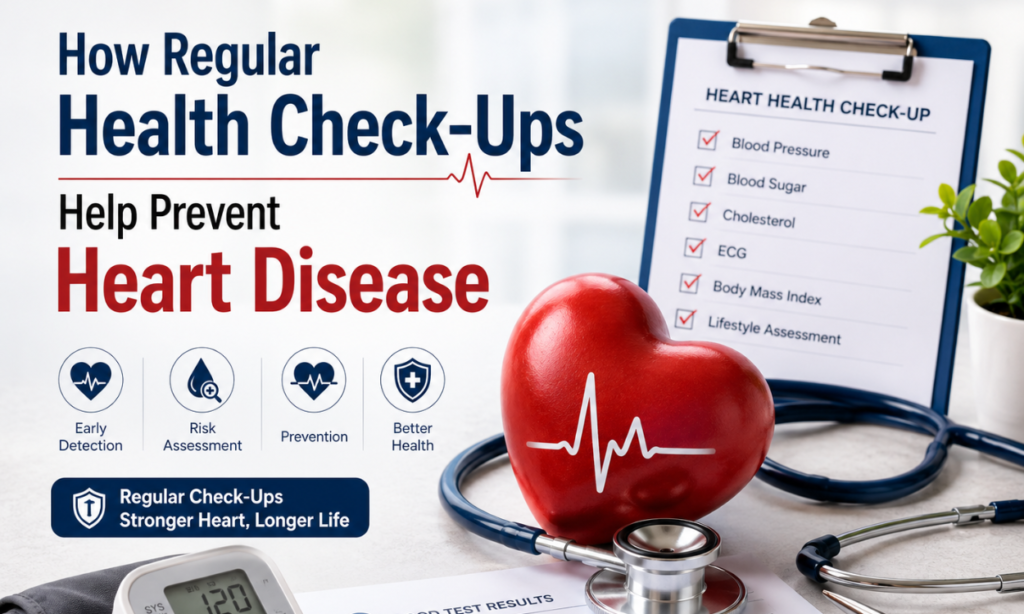
Why Are Regular Health Check-Ups Important for Heart Health?
Cholesterol is a fatty substance produced naturally by the liver and also obtained from certain foods. Although it is often viewed negatively, cholesterol is essential for several important bodily functions.
Your body needs cholesterol to:
- Build healthy cell membranes
- Produce hormones such as estrogen and testosterone
- Manufacture vitamin D
- Help digest fats by producing bile acids
- Support normal brain and nerve function
Problems arise when cholesterol levels become excessive, especially when unhealthy cholesterol accumulates in the bloodstream. Over time, this buildup can narrow arteries and reduce blood flow to vital organs such as the heart and brain.
Understanding the different types of cholesterol is the first step toward maintaining good heart health.
Understanding Good Cholesterol vs. Bad Cholesterol
Not all cholesterol is harmful. Cholesterol travels through the bloodstream attached to proteins called lipoproteins, and different types have different effects on your health.
Low-Density Lipoprotein (LDL) – The “Bad” Cholesterol
LDL cholesterol carries cholesterol from the liver to different parts of the body. When LDL levels become too high, excess cholesterol begins to deposit inside artery walls.
Over time, this leads to plaque formation, narrowing of blood vessels, and reduced blood flow. High LDL cholesterol significantly increases the risk of:
- Coronary artery disease
- Heart attack
- Stroke
- Peripheral artery disease
For this reason, LDL is commonly referred to as bad cholesterol.
High-Density Lipoprotein (HDL) – The “Good” Cholesterol
HDL cholesterol performs the opposite function. It collects excess cholesterol from the bloodstream and transports it back to the liver, where it can be processed and removed from the body.
Higher HDL levels help:
- Protect blood vessels
- Reduce plaque buildup
- Lower cardiovascular risk
- Support overall heart health
Maintaining healthy HDL levels is just as important as lowering LDL cholesterol.
Triglycerides
Triglycerides are another type of fat found in the blood. They store excess calories from food and provide energy when needed.
However, elevated triglyceride levels combined with high LDL cholesterol and low HDL cholesterol can dramatically increase the risk of heart disease.
This combination is commonly seen in people with:
- Obesity
- Diabetes
- Sedentary lifestyles
- High carbohydrate intake
Excessive alcohol consumption
Why Is High Cholesterol Dangerous?
One of the biggest concerns about high cholesterol is that it usually causes no symptoms while gradually damaging blood vessels.
As LDL cholesterol accumulates inside artery walls, it combines with calcium, inflammatory cells, and other substances to form plaques. This condition is known as atherosclerosis.
As plaques grow larger, they narrow the arteries and reduce blood flow to vital organs.
This can eventually result in:
- Heart attack
- Stroke
- Peripheral artery disease
- Kidney damage
- Reduced circulation to the legs
If a plaque suddenly ruptures, a blood clot may form and completely block blood flow, leading to a life-threatening emergency.
This is why high cholesterol is often referred to as a silent risk factor for cardiovascular disease.
Can High Cholesterol Develop Without Symptoms?
Yes. In most cases, high cholesterol does not produce noticeable symptoms, particularly during its early stages.
Many individuals feel completely healthy despite having significantly elevated cholesterol levels. The condition may remain undiagnosed for years until it is detected during a routine blood test or after a serious cardiovascular event.
Unlike conditions such as fever or infections, cholesterol does not usually cause pain or discomfort while it is building up inside arteries.
Because of this, regular health check-ups and cholesterol screening are essential, especially for people with risk factors such as diabetes, obesity, high blood pressure, or a family history of heart disease.
High Cholesterol Symptoms
Although high cholesterol itself usually has no direct symptoms, it can eventually lead to signs and symptoms related to reduced blood flow and cardiovascular disease.
Some warning signs that may indicate cholesterol-related complications include:
Chest Pain or Chest Tightness
Blocked arteries supplying the heart can reduce oxygen delivery to the heart muscle, resulting in chest discomfort, especially during physical activity.
Shortness of Breath
Reduced blood flow may make it difficult for the heart to pump efficiently, leading to breathlessness during routine activities.
Pain While Walking
Poor circulation caused by narrowed arteries can reduce blood flow to the legs, resulting in pain or cramping while walking, a condition known as peripheral artery disease.
Fatigue
Reduced oxygen delivery to muscles and organs may contribute to persistent tiredness or reduced exercise tolerance.
Stroke Symptoms
If cholesterol blocks blood flow to the brain, symptoms such as sudden weakness, difficulty speaking, facial drooping, or vision changes may occur and require immediate medical attention.
Heart Attack Symptoms
Severe chest pain, pain radiating to the left arm or jaw, sweating, nausea, and difficulty breathing may indicate a heart attack caused by blocked coronary arteries.
It is important to remember that these symptoms usually appear after cholesterol has already caused significant damage. This is why preventive screening is far more effective than waiting for symptoms to develop.
What Causes High Cholesterol?
High cholesterol often develops due to a combination of lifestyle habits, underlying medical conditions, and genetic factors.
Understanding the causes can help you take preventive steps and reduce your long-term cardiovascular risk.
Unhealthy Diet
A diet high in saturated fats, trans fats, processed foods, fried snacks, and sugary beverages can increase LDL cholesterol and triglyceride levels.
Foods that may contribute to high cholesterol include:
- Fast food
- Processed meat
- Bakery products
- Deep-fried foods
- Packaged snacks
- Sugary desserts
Replacing these with fruits, vegetables, whole grains, lean proteins, and healthy fats can improve cholesterol levels over time.
Physical Inactivity
A sedentary lifestyle reduces the body’s ability to maintain healthy cholesterol levels.
Regular physical activity helps:
- Increase HDL (good cholesterol)
- Reduce LDL (bad cholesterol)
- Improve circulation
- Support weight management
Even brisk walking for 30–45 minutes most days of the week can positively impact heart health.
Obesity
Excess body weight, particularly abdominal obesity, is strongly associated with high LDL cholesterol, elevated triglycerides, and lower HDL cholesterol.
Maintaining a healthy weight is one of the most effective ways to improve lipid levels naturally.
Smoking
Smoking damages blood vessels and lowers HDL cholesterol while increasing inflammation and accelerating plaque formation.
Quitting smoking not only improves cholesterol balance but also significantly reduces the risk of heart disease.
Excessive Alcohol Consumption
Drinking excessive amounts of alcohol can increase triglyceride levels and contribute to obesity, high blood pressure, and cardiovascular disease.
Moderation is important for maintaining healthy cholesterol levels.
Medical Conditions
Certain medical conditions increase the likelihood of developing high cholesterol, including:
- Diabetes
- Hypothyroidism
- Chronic kidney disease
- Liver disease
- Polycystic Ovary Syndrome (PCOS)
Managing these conditions effectively can also improve cholesterol levels.
Family History
Some individuals inherit a condition called familial hypercholesterolemia, which causes very high cholesterol levels even with a healthy lifestyle.
If close family members have high cholesterol or developed heart disease at a young age, regular cholesterol screening becomes especially important.
Who Is at Higher Risk of High Cholesterol?
Although anyone can develop high cholesterol, certain factors significantly increase the likelihood of having unhealthy cholesterol levels. Understanding these risk factors can help you take preventive measures and seek timely screening.
Adults Over the Age of 40
As we age, the body’s metabolism slows down, making it more difficult to regulate cholesterol levels efficiently. The liver also becomes less effective at removing LDL (bad) cholesterol from the bloodstream. This is why regular cholesterol screening becomes increasingly important after the age of 40, even if you feel healthy.
People with Diabetes
Diabetes is closely linked with abnormal cholesterol levels. High blood sugar damages blood vessels and often leads to higher LDL cholesterol, lower HDL cholesterol, and elevated triglycerides. Together, these changes significantly increase the risk of heart attacks and strokes.
Individuals with High Blood Pressure
High blood pressure and high cholesterol frequently occur together. Elevated blood pressure damages artery walls, making it easier for cholesterol deposits to accumulate and form plaques. Managing both conditions is essential for reducing cardiovascular risk.
People Who Are Overweight or Obese
Excess body weight, particularly abdominal obesity, is associated with increased LDL cholesterol, higher triglycerides, and reduced HDL cholesterol. Even a modest weight loss of 5–10% can improve cholesterol levels and overall heart health.
Smokers
Smoking lowers protective HDL cholesterol while increasing inflammation and damaging the lining of blood vessels. This accelerates plaque formation and increases the risk of coronary artery disease.
People with a Family History of High Cholesterol
Genetics plays a significant role in cholesterol metabolism. Individuals with a family history of high cholesterol or premature heart disease are at greater risk of developing elevated cholesterol levels, even if they maintain a healthy lifestyle.
People with Sedentary Lifestyles
Lack of regular physical activity contributes to unhealthy cholesterol levels by increasing LDL cholesterol and lowering HDL cholesterol. Sitting for prolonged periods without exercise can gradually affect cardiovascular health.
Individuals with Unhealthy Eating Habits
Regular consumption of foods high in saturated fats, trans fats, refined carbohydrates, processed meats, and sugary beverages can significantly raise cholesterol levels over time.
How Is High Cholesterol Diagnosed?
Since high cholesterol rarely causes symptoms, it is usually diagnosed through a simple blood test called a lipid profile or lipid panel.
This test measures different types of fats present in your blood and provides valuable information about your cardiovascular risk.
A lipid profile typically includes:
Total Cholesterol
This measures the overall amount of cholesterol present in your blood, including both good and bad cholesterol.
Low-Density Lipoprotein (LDL) Cholesterol
Often referred to as bad cholesterol, LDL is the primary contributor to plaque buildup inside arteries. Lower LDL levels are generally associated with a lower risk of heart disease.
High-Density Lipoprotein (HDL) Cholesterol
Known as good cholesterol, HDL helps remove excess cholesterol from the bloodstream and transports it back to the liver for disposal.
Triglycerides
These are another type of fat found in the blood. Elevated triglycerides often occur alongside high cholesterol and further increase cardiovascular risk.
Depending on your age, medical history, and risk factors, your doctor may recommend additional investigations such as:
- Blood sugar testing
- HbA1c
- Thyroid function tests
- Liver function tests
- Kidney function tests
- Electrocardiogram (ECG)
- Echocardiography
- Coronary artery calcium scoring (in selected patients)
Early diagnosis allows treatment to begin before complications develop.
Understanding Your Cholesterol Levels
A lipid profile provides valuable insight into your heart health. While exact targets may vary depending on your age, medical conditions, and overall cardiovascular risk, cholesterol levels are generally interpreted as follows:
| Test | Healthy Level |
|---|---|
| Total Cholesterol | Less than 200 mg/dL |
| LDL Cholesterol | Less than 100 mg/dL |
| HDL Cholesterol | Above 40 mg/dL (Men), Above 50 mg/dL (Women) |
| Triglycerides | Less than 150 mg/dL |
Your doctor will interpret these values in the context of your overall health, rather than relying on a single number alone.
How to Lower High Cholesterol Naturally
For many individuals, lifestyle modifications can significantly improve cholesterol levels and reduce the risk of heart disease. While medications may be necessary for some patients, healthy daily habits remain the foundation of cholesterol management.
- Follow a Heart-Healthy Diet
Your diet has a direct impact on cholesterol levels. Reducing unhealthy fats while increasing fiber-rich foods can help lower LDL cholesterol naturally.
Include foods such as:
- Fresh fruits
- Green leafy vegetables
- Whole grains
- Oats
- Millets
- Brown rice
- Beans and lentils
- Nuts such as almonds and walnuts
- Seeds including flaxseeds and chia seeds
- Fatty fish rich in omega-3 fatty acids
- Olive oil and other healthy plant-based oils
Try to limit:
- Fried foods
- Processed meats
- Bakery products
- Fast food
- Butter and ghee in excess
- Packaged snacks
- Sugary beverages
- Exercise Regularly
Regular physical activity increases HDL cholesterol while reducing LDL cholesterol and triglycerides.
Aim for:
- At least 150 minutes of moderate-intensity exercise per week, or
- 75 minutes of vigorous exercise, along with strength training at least twice a week.
Activities may include:
- Brisk walking
- Cycling
- Swimming
- Jogging
- Yoga
- Dancing
Consistency is more important than intensity.
- Maintain a Healthy Weight
Even small reductions in body weight can improve cholesterol levels. Losing excess abdominal fat also reduces inflammation and lowers the risk of diabetes, hypertension, and cardiovascular disease.
- Quit Smoking
Smoking damages blood vessels and lowers HDL cholesterol. Quitting smoking allows blood vessels to heal and significantly reduces the risk of heart attacks and strokes.
- Limit Alcohol Consumption
Excessive alcohol intake increases triglyceride levels and contributes to weight gain. Limiting alcohol consumption can improve both cholesterol levels and overall cardiovascular health.
- Manage Stress Effectively
Chronic stress may contribute to unhealthy lifestyle choices such as overeating, smoking, poor sleep, and physical inactivity, all of which negatively affect cholesterol levels.
Stress management techniques include:
- Meditation
- Deep breathing exercises
- Yoga
- Spending time outdoors
- Adequate sleep
- Mindfulness practices
- Get Regular Health Check-Ups
Routine cholesterol screening allows early detection and timely treatment before complications occur. Adults with risk factors may require more frequent lipid testing based on their doctor’s recommendations.
When Are Cholesterol-Lowering Medicines Needed?
Lifestyle modifications are the first step in managing high cholesterol. However, medications may be recommended if lifestyle changes alone are insufficient or if an individual has a high risk of cardiovascular disease.
Your doctor may prescribe cholesterol-lowering medication if you have:
- Very high LDL cholesterol
- Familial hypercholesterolemia
- Diabetes
- Previous heart attack or stroke
- Established coronary artery disease
- Multiple cardiovascular risk factors
Statins are the most commonly prescribed medications because they effectively lower LDL cholesterol and reduce the risk of heart attacks and strokes. Other medications may be considered depending on individual needs.
It is important to take these medicines exactly as prescribed and continue healthy lifestyle habits alongside treatment.
Complications of Untreated High Cholesterol
Without proper management, high cholesterol can gradually damage blood vessels throughout the body, leading to serious health problems.
Potential complications include:
- Coronary artery disease
- Heart attack
- Stroke
- Peripheral artery disease
- Carotid artery disease
- Chronic kidney disease due to reduced blood flow
- Erectile dysfunction caused by poor circulation
- Sudden cardiac death in severe cases
These complications often develop silently over many years, making prevention and early treatment extremely important.
When Should You See a Doctor?
Consult a physician if you:
- Are over 40 years of age
- Have diabetes or high blood pressure
- Are overweight or obese
- Have a family history of high cholesterol or heart disease
- Smoke or consume alcohol regularly
- Experience chest pain, breathlessness, dizziness, or unexplained fatigue
- Have never had your cholesterol checked
Regular health evaluations can identify cholesterol problems before they lead to life-threatening complications.
High Cholesterol Treatment in Bangalore
Managing high cholesterol requires more than simply reducing fat intake. A comprehensive evaluation helps identify the underlying causes, assess your overall cardiovascular risk, and develop a personalized treatment plan.
Dr. Siri Kamath, an experienced Physician and Diabetologist in Bangalore, offers comprehensive care for individuals with high cholesterol, diabetes, hypertension, obesity, thyroid disorders, and other lifestyle-related conditions. Treatment focuses on accurate diagnosis, evidence-based lifestyle modifications, medication when required, and regular follow-up to help reduce the risk of heart disease and improve long-term health.
Early intervention can make a significant difference in preventing serious cardiovascular complications.
Frequently Asked Questions
Does high cholesterol cause symptoms?
In most cases, high cholesterol does not cause noticeable symptoms until it has already affected blood vessels or caused complications such as heart disease or stroke.
Can high cholesterol be reduced naturally?
Yes. Healthy eating, regular exercise, weight management, quitting smoking, limiting alcohol, and controlling medical conditions can significantly improve cholesterol levels.
Which foods help lower cholesterol?
Foods rich in soluble fiber and healthy fats, such as oats, fruits, vegetables, legumes, nuts, seeds, and fatty fish, can help improve cholesterol levels.
How often should cholesterol be checked?
Healthy adults should generally have their cholesterol checked every 4–6 years. Individuals with diabetes, hypertension, obesity, or other risk factors may require more frequent testing as advised by their doctor.
Can thin people have high cholesterol?
Yes. Genetics, poor dietary habits, lack of exercise, and certain medical conditions can cause high cholesterol even in people with a healthy body weight.
Is medication always necessary for high cholesterol?
Not always. Many people can improve cholesterol levels through lifestyle changes alone. However, medication may be necessary for individuals at higher cardiovascular risk or those with significantly elevated cholesterol levels.
Conclusion
High cholesterol is often called a “silent condition” because it usually develops without noticeable symptoms. However, its long-term effects on the heart, brain, and blood vessels can be life-threatening if left untreated.
The good news is that high cholesterol is both detectable and manageable. Regular health check-ups, healthy dietary choices, physical activity, maintaining a healthy weight, and timely medical care can significantly reduce your risk of heart disease and stroke.
If you have risk factors such as diabetes, hypertension, obesity, or a family history of heart disease, don’t wait for symptoms to appear. Early cholesterol screening and appropriate treatment can help protect your heart and support a healthier future.
Reference Links
High Cholesterol: Symptoms, Risks, and How to Lower It Naturally
Small But Mighty Lifestyle Tweaks To Manage High Cholesterol
